【Dream Building】Mother and child unite to bring welcoming taiko to the community, A doctor's wish: Mother and daughter team up to protect community health
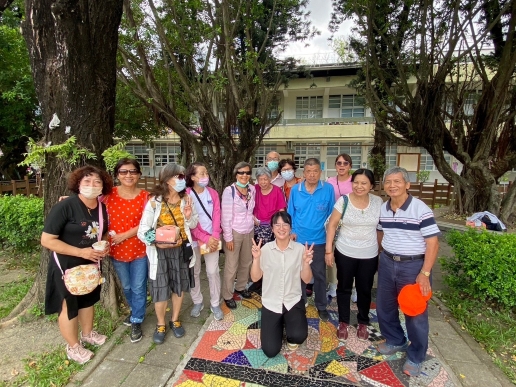
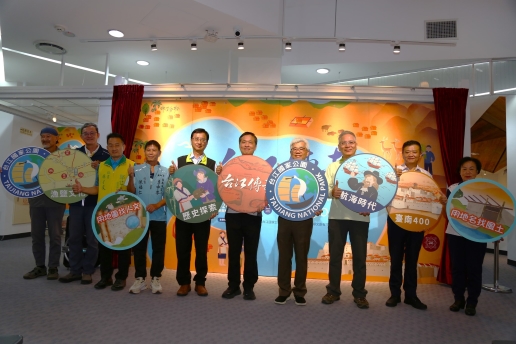
The "Newcomer and Children's Dream-Building Plan," organized by the National Immigration Agency, is now in its 10th year. Since its inception, the plan has been dedicated to helping new immigrants and their children achieve their dreams. Participants have demonstrated remarkable enthusiasm and perseverance in their journeys towards achieving their goals, and their accomplishments and joy have inspired countless others. We will introduce the outstanding winners of this year's "Social Welfare Service Group." Let's see how these new immigrants have found a sense of belonging on Taiwanese soil and how they are using their own strength to give back to this land, creating a positive cycle.Invited to perform by Lions Clubs International (Photo: NIA FB)"Newcomer at the Temple Gate & Welcoming Percussion Ensemble" - Lee Wen-Yang & Luo HuiLuo Hui, from mainland China, and her son, Lee Wen-Yang, live in Taiwan. She carries the weight of the family's responsibilities, often taking Wen-Yang to community service activities to express gratitude to those who have helped them. Inspired by their community leader, Teacher Long Xian, during their volunteer work, they decided to embark on a cultural heritage journey through the Dream-Building Plan. They hired professional instructors to teach welcoming drums and Taiko drums, forming a welcoming Taiko drum teaching class.Under the patient guidance, the students gradually mastered the skills. They ultimately held two small community performances, receiving positive feedback. Luo Hui and Wen-Yang believe that through music and dance, they can help society better understand and respect the lifestyles of new immigrants, fostering communication and understanding between different groups.Xiao Ting Yun (center) and Cai Fang Fang (right) explain health knowledge to the elderly (Photo: NIA FB)"An Appointment with Doctors" - Xiao Ting-Yun & Tsai Fang-Fang Xiao Ting-Yun has a firm belief in becoming a doctor, stemming from the helplessness she felt when family elders passed away due to health problems. She diligently studied, successfully entering National Taiwan University's medical school, taking the first step toward her dream. However, as her medical knowledge grew, she also realized that many elders neglected the importance of health check-ups. To raise awareness among the elderly about health, she organized a special seminar, inviting professional doctors to discuss chronic disease prevention and proper medication. She and her mother personally designed promotional flyers and visited the Meilin community. These actions brought Ting-Yun closer to her dream of becoming a doctor, and also allowed her to deeply appreciate the importance of medical work and its social impact. More information: Applications for the 11th Dream Building Program for New Immigrants and Their Children are now open, helping you achieve your dreams! Source: NIA Facebook