This small suburban school was named the world's best new building
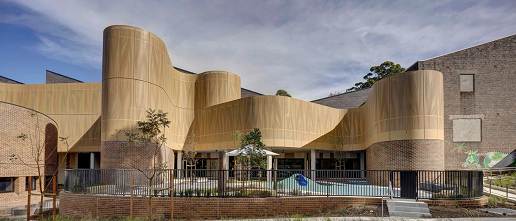
A suburban school in Sydney, Australia, has triumphed over global architectural icons to win the prestigious World Building of the Year 2024 at the World Architecture Festival (WAF) in Singapore. Darlington Public School, located in Chippendale, surpassed over 220 shortlisted projects, including skyscrapers, museums, and transport hubs, to secure the top honor.Designed by Sydney-based fjcstudio, the school features a modern, angular brick campus with a distinctive "sawtooth" roof and landscaped outdoor spaces like a basketball court and community garden. Open-air terraces with curved metal screens provide natural light while ensuring privacy for students. The new design replaced a 1970s building, offering "new and contemporary learning environments" while preserving the original school’s cultural essence.The campus, accommodating over 500 preschool and primary students, integrates Aboriginal heritage through indigenous art displayed in key areas, including classrooms and reception. Fjcstudio also recreated murals from the old school on the new building’s cladding, reflecting strong connections to the Aboriginal community.Alessandro Rossi, associate at fjcstudio, called the win "humbling," emphasizing the collaborative effort between the client and the community in shaping the project. "The real winners are the children who will spend time in the building — a place of enrichment for years to come," Rossi said. The light and airy school is complete with distinctive "sawtooth" roof and landscaped outdoor spaces. Brett BoardmanDarlington Public School’s victory continues a trend of educational buildings earning WAF’s top prize, with last year’s winner being a serene boarding school in China. This marks the second Sydney building to win in three years, following the Quay Quarter Tower’s success in 2022.