Tainan Christmas Attractions! Chimei Museum's "2024 Christmas Weekend" to Launch for Two Consecutive Weekends, Featuring 8 Highlights
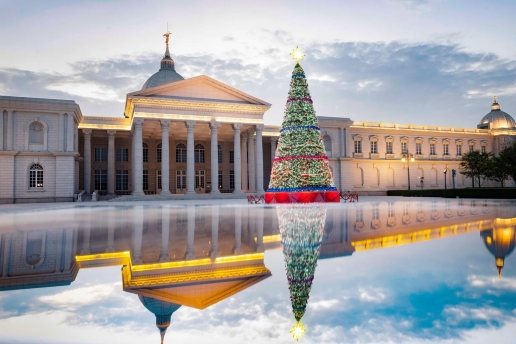
Tainan's Christmas attractions are here! Chimei Museum's "2024 Christmas Weekend" will be held from December 14th (Sat) for two consecutive weekends. This year, not only are there classic Christmas parties, Christmas markets, outdoor stargazing movie screenings, music and dance performances, and exquisite exhibitions, but also new initiatives such as European-style water garden DJ parties and fencing demonstrations featuring the spirit of knighthood. A total of over 100 events are breaking previous records!2024 Christmas Weekend ThemeChimei Museum's "2024 Christmas Weekend" is themed "Chimei Collection • Grand Gala." The inspiration comes from the annual special exhibition "Painters: Stepping into the 16th and 17th Centuries Dutch Painting Era," which showcases Chimei's extensive Dutch collection and focuses on a prosperous and artistic era. This event takes the image of "prosperity," with Santa Claus as the host, inviting the public to participate in a festive party filled with art, music, food, and entertainment.Santa Claus and his friends will accompany visitors for an unforgettable holiday season (Photo / Provided by Chimei Museum and Toco Living Magazine)Christmas Market Featuring International CuisineSanta Claus and his friends will entertain everyone, and there will be a highly anticipated Santa Claus meeting and a lively Christmas party for children. The Christmas market, which is always crowded, will gather over 100 booths offering hot wine, hot cocoa, cinnamon rolls, gingerbread, macarons, and European pastries as Christmas treats. There's also a "Luxury Christmas Dinner" special initiative, featuring the fragrant black truffle steak, crispy-skinned roasted mullet roe, and a rich seafood risotto, as well as hearty hot dog, submarine sandwiches, and lobster sandwiches, offering a satisfying and delicious international culinary feast.110 Performances to Captivate the SensesBeyond the food, there are countless programs! There are a total of 110 events, a record high. The musical styles are diverse, including wind, string, percussion, piano, harp, and jazz. The event will also host DJ parties for the first time in Chimei Museum's hidden gem, the European water garden, creating a romantic atmosphere for Western holidays. There will be art hall salon concerts and fencing demonstrations.Outdoor Stargazing MoviesOutdoor stargazing movies will also feature popular family-friendly films such as "Paw Patrol: The Movie," "Charlie and the Chocolate Factory," and "Toy Story 3."Last year, the Chimei Christmas Weekend introduced the highly popular "Grand Piano Feast" concert, which sold out instantly. This year, in response to public demand, additional performances will be added. (Photo / Provided by Chimei Museum and Toco Living Magazine)Value-Added Presale Tickets Available"2024 Christmas Weekend" will take place on December 14th (Sat), 15th (Sun), 21st (Sat), and 22nd (Sun), daily from 2:00 PM to 10:00 PM, encompassing indoor and outdoor areas. Admission requires a ticket purchase. Children under 12 years old can enter for free with valid identification. Tickets at the event site are NT$300, and presale tickets are NT$250. Presale tickets are available from now until December 21st at 7-Eleven ibon ticketing systems, Klook, KKday, Trip.com, and EasyCart. The special exhibitions "Painters: Stepping into the 16th and 17th Centuries Dutch Painting Era" and "Chimei Fine Piano Banquet" require an additional ticket purchase at the venue, costing NT$100.This article is authorized by Toco Living Magazine. For more details, please refer to the original link.