Living with Narcolepsy: 'It’s Not a Joke, It’s a Very Serious Illness'
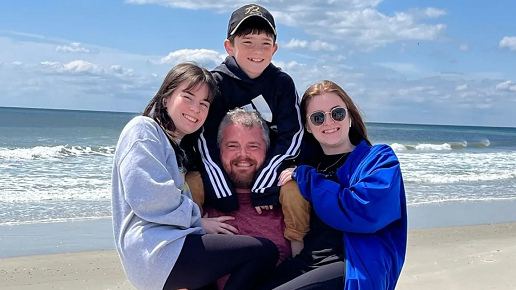
Matthew Horsnell began falling asleep without reason when he was in sixth grade. Despite going to bed early, he struggled to wake up every morning and found himself nodding off throughout the day, even during class or while waiting to go to school. By age 20, Horsnell was experiencing cataplexy – sudden, brief loss of muscle control triggered by strong emotions – leaving him conscious but paralyzed and unable to respond, even when others tried to help him.
Narcolepsy, a sleep disorder characterized by excessive daytime sleepiness and disrupted nighttime sleep, affects roughly one in 2,000 people in the United States. However, only about 25% of people with narcolepsy are diagnosed and treated, according to the Narcolepsy Network. This chronic condition can make it challenging for individuals to maintain a job, drive, or socialize, as even strong emotions like laughter can trigger cataplexy. “In movies, narcolepsy is often depicted as comical,” says Jennifer Mundt, a sleep medicine specialist, “but it’s a very serious illness.”
Horsnell’s journey to a proper diagnosis took years. He saw numerous specialists, including psychiatrists, before finally meeting a sleep specialist in 2007 who diagnosed him with type one narcolepsy with cataplexy. This type of narcolepsy is linked to an autoimmune response that destroys cells in the brain responsible for producing orexin, a key neurotransmitter that regulates sleep.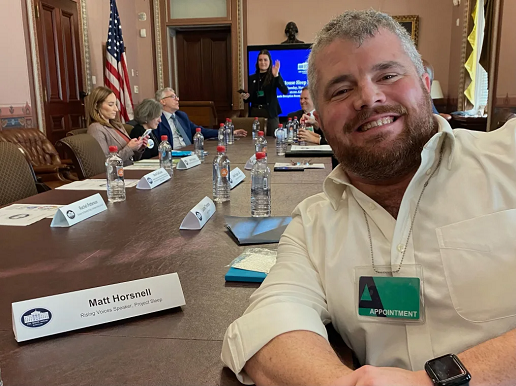 Matthew Horsnell went to the White House to present on sleep health equity with Project Sleep in 2023. courtesy Heather Lill
People with narcolepsy also experience vivid nightmares and hypnagogic hallucinations – sensations that occur while falling asleep, sometimes involving feeling, seeing, or hearing things that aren't real. For Horsnell, these hallucinations include disturbing experiences, such as feeling the weight of a figure lying on him.
Despite the challenges, Horsnell found strength in helping others. He now works as a “sleep ambassador” for various organizations, advocating for better understanding and awareness of sleep disorders. He even visited the White House in 2023 to raise awareness about narcolepsy. “If my struggles can help someone come to a quicker diagnosis or better understand living with narcolepsy, that would make all the challenges worthwhile,” Horsnell says.